 |
 |
|
| BMW X3 | Toyota Highlander | |
|---|---|---|
| Engine | 2.0L turbo 4-cyl | 2.4L turbo 4-cyl |
| Horsepower | 255 | 265 |
| Torque | 295 lb-ft | 310 lb-ft |
| Transmission | 8-speed auto | 8-speed auto |
| Drivetrain | xDrive (4WD) | AWD |
| 0-60 MPH Time | 6 sec | 7.2 sec |
| Top Speed | 130 mph | 113 mph |
| EPA-Est. MPG (Cty / Hwy / Comb) | 27 / 33 / 291 | 21 / 28 / 242 |
| Fuel Tank Size | 17.2 gal | 17.9 gal |
| Towing Capacity | 4,001 lbs3 | 5,000 lbs3 |
| Length | 187.2 in | 194.9 - 197.4 in |
| Width | 75.6 in | 76 in |
| Height | 65.4 in | 68.1 in |
| Seats | 5 | 8, 7 avail |
| Curb Weight | 4,176 lbs | 4,199 lbs |
| Cargo Space (Trunk) | 31.5 cu ft | 16 cu ft |
| Interior Features |
|
|
| Exterior Features |
|
|
| Factory Warranty | 4-yr / 50,000-mi4 | 3-yr / 36,000-mi4 |
| IIHS Safety Rating | Top Safety Pick+5 | Not Awarded5 |
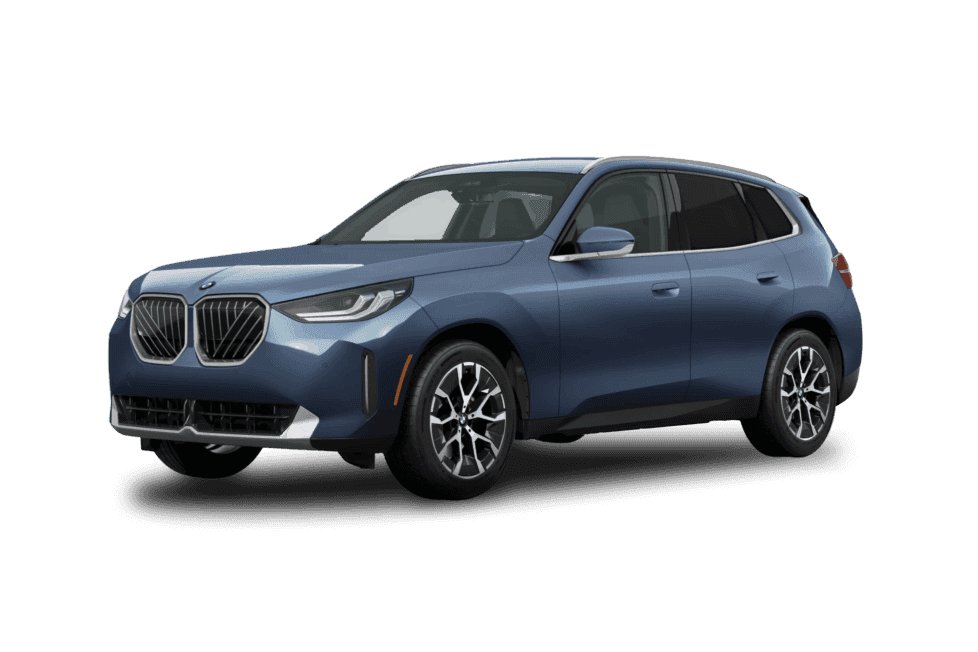
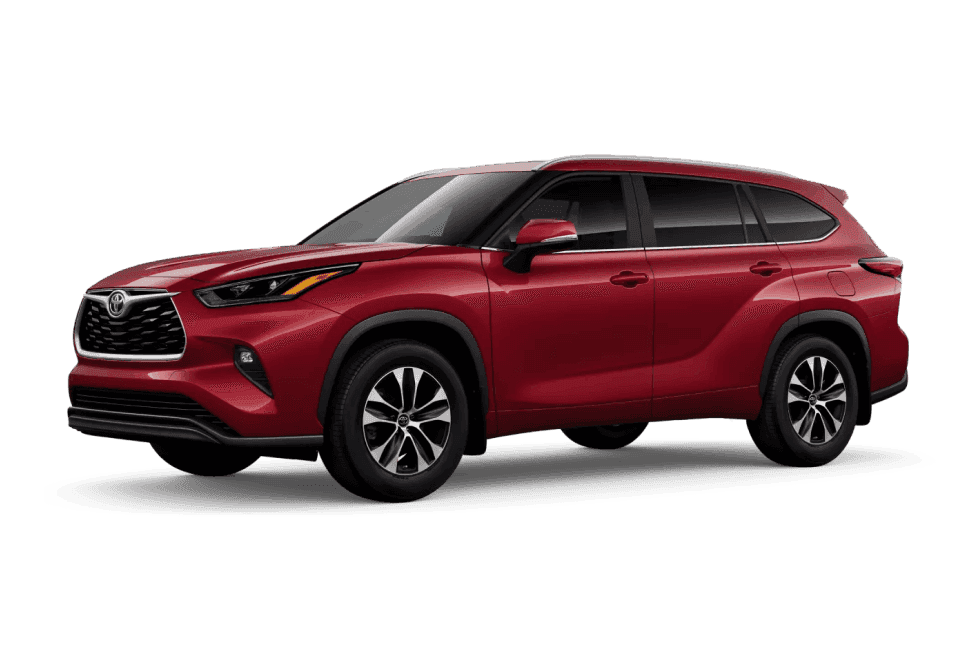
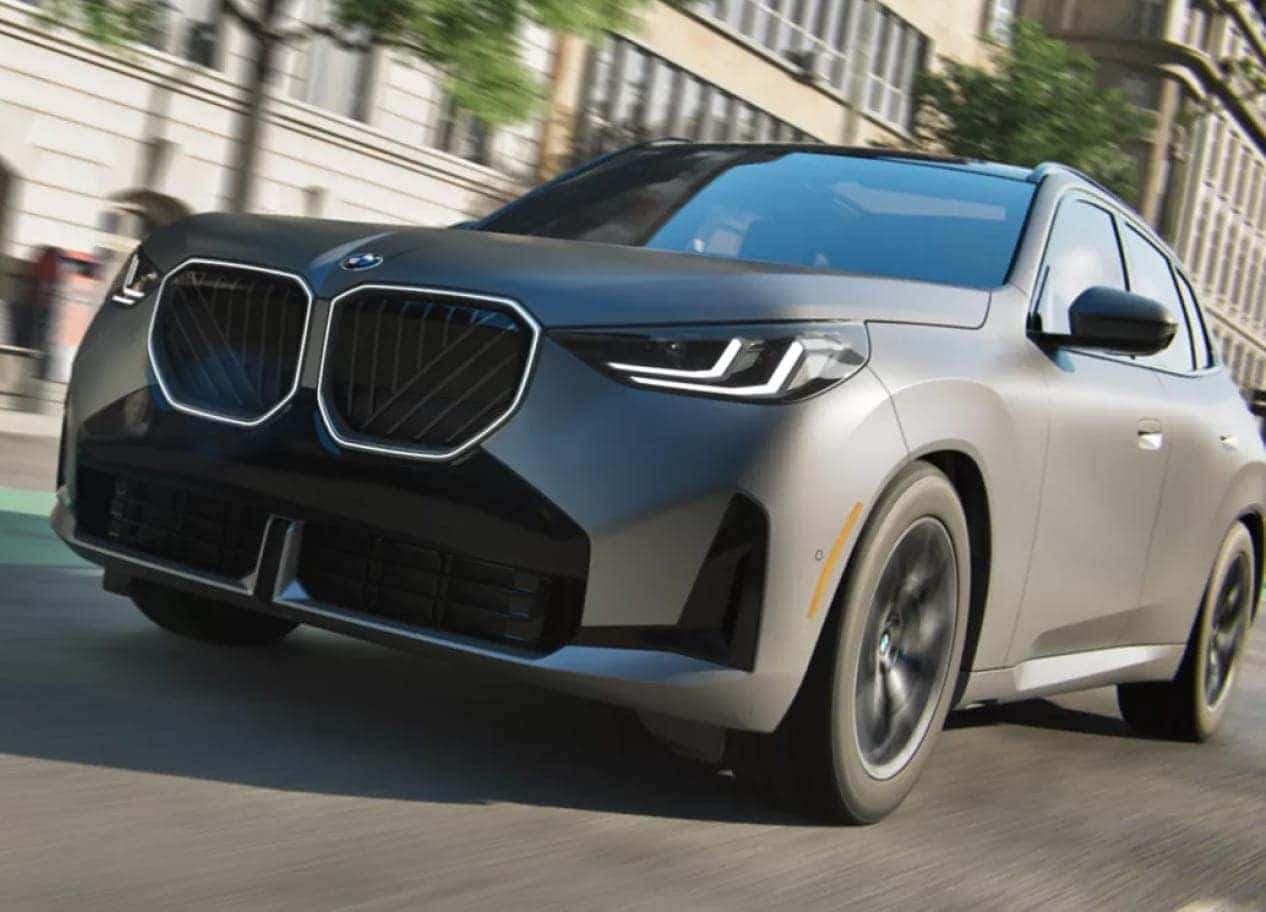
A BMW X3 vs. Toyota Highlander comparison pits a true sport-utility vehicle against a three-row family model. The BMW X3 boasts a responsive engine, tight turning radius, spacious trunk, and high-end technology that lets every drive stay memorable. In comparison, the Highlander has more seats, but a much smaller trunk, slower 0-60 mph time, and less responsive performance. Families of five that want an experience that prioritizes value will likely prefer the midsize BMW X3 over its three-row competition.
At Athens BMW, we're dedicated to providing an unmatched experience, whichever vehicle you choose. Here are all the reasons why a BMW X3 is a better pick than the Highlander.
While the BMW X3 has a higher starting MSRP, it's easier to customize with option packages and offers a more extensive warranty, making it a great choice if you have specific features in mind.
BMW X3: The new BMW X3 for sale comes with a four-year/50,000-mile warranty,9 perfect for emboldening your early years of driving. In addition, the BMW X3 has three trims: two performance levels, with the standard 30 xDrive having a Sport and M Sport appearance level, and the M50 xDrive being its own package. All BMW X3 levels have multiple add-on groups and individual features to craft your perfect SUV.
Toyota Highlander: The Highlander has a lower starting MSRP, but that's really the only benefit. Its seven trim levels can be confusing, with several hybrid options that mean several trims share a name. It also has a three-year/36,000-mile warranty,9 significantly shorter than what the BMW Limited Warranty provides.
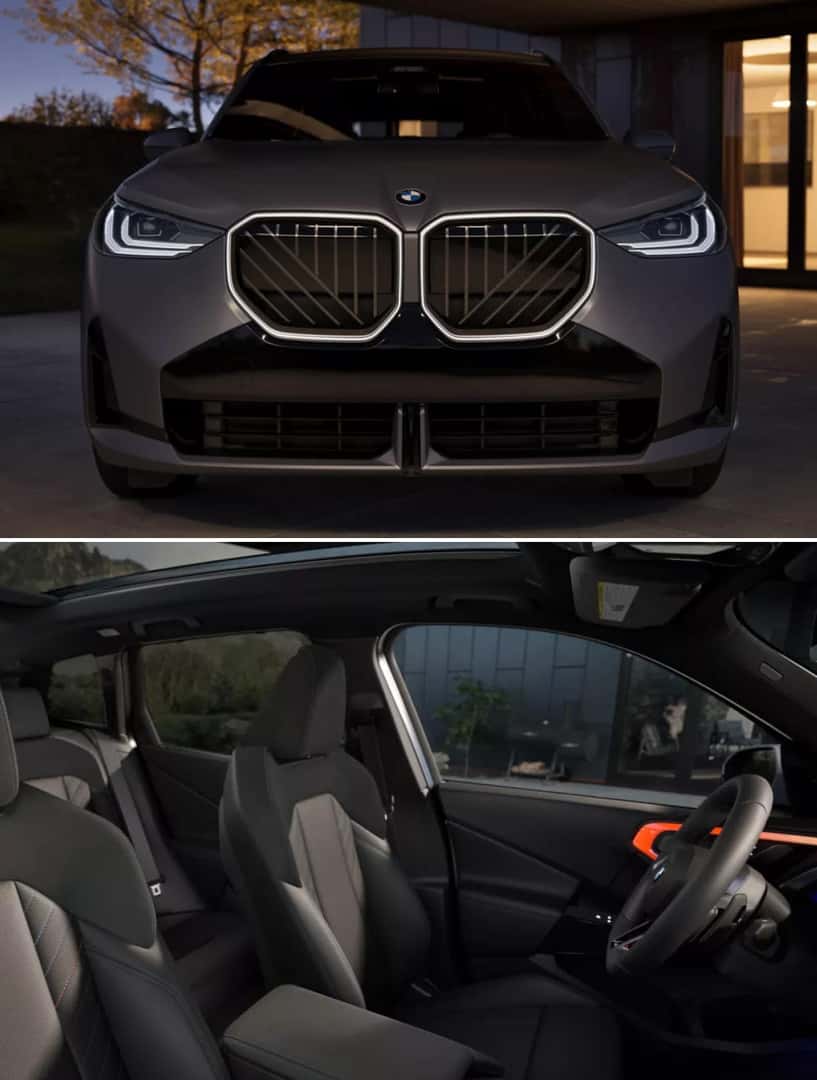
The BMW X3 has a more responsive standard performance thanks to its maneuverable body. It also offers an available powertrain that delivers up to 393 horsepower and a 0-60 mph time of 4.4 seconds.
BMW X3: The BMW X3 begins with a 2.0-liter turbocharged four-cylinder, a healthy option that makes 255 horsepower and 295 pound-feet of torque while sporting a very efficient 29 MPG (Combined) – check out our BMW X3 gas mileage guide for more information. This powertrain gets you to 60 mph in six seconds, but if you want to get there in 4.4 seconds, consider the M50 xDrive. This performance variant makes 393 horsepower, a more thrilling option for families who want their hearts to pound.
Toyota Highlander: The Toyota Highlander is a larger model, so it needs a bigger engine: its 265-horsepower 2.4-liter turbocharged four-cylinder can get to 60 mph in a relatively sluggish 7.2 seconds. It has an alternative engine, but it's a hybrid that lowers its horsepower to 243.
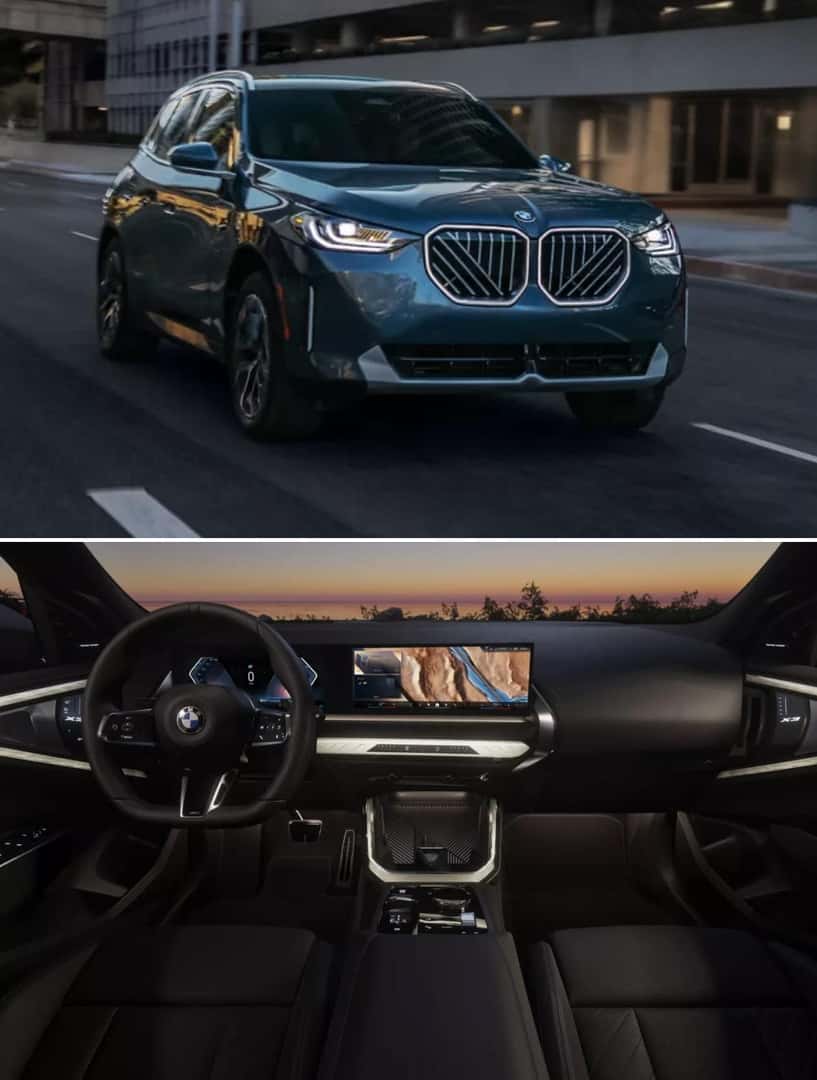
While comfort is personal, we find the BMW X3 better suited for interstate driving, thanks to its maneuverable body, more responsive performance, and sport-inspired elements.
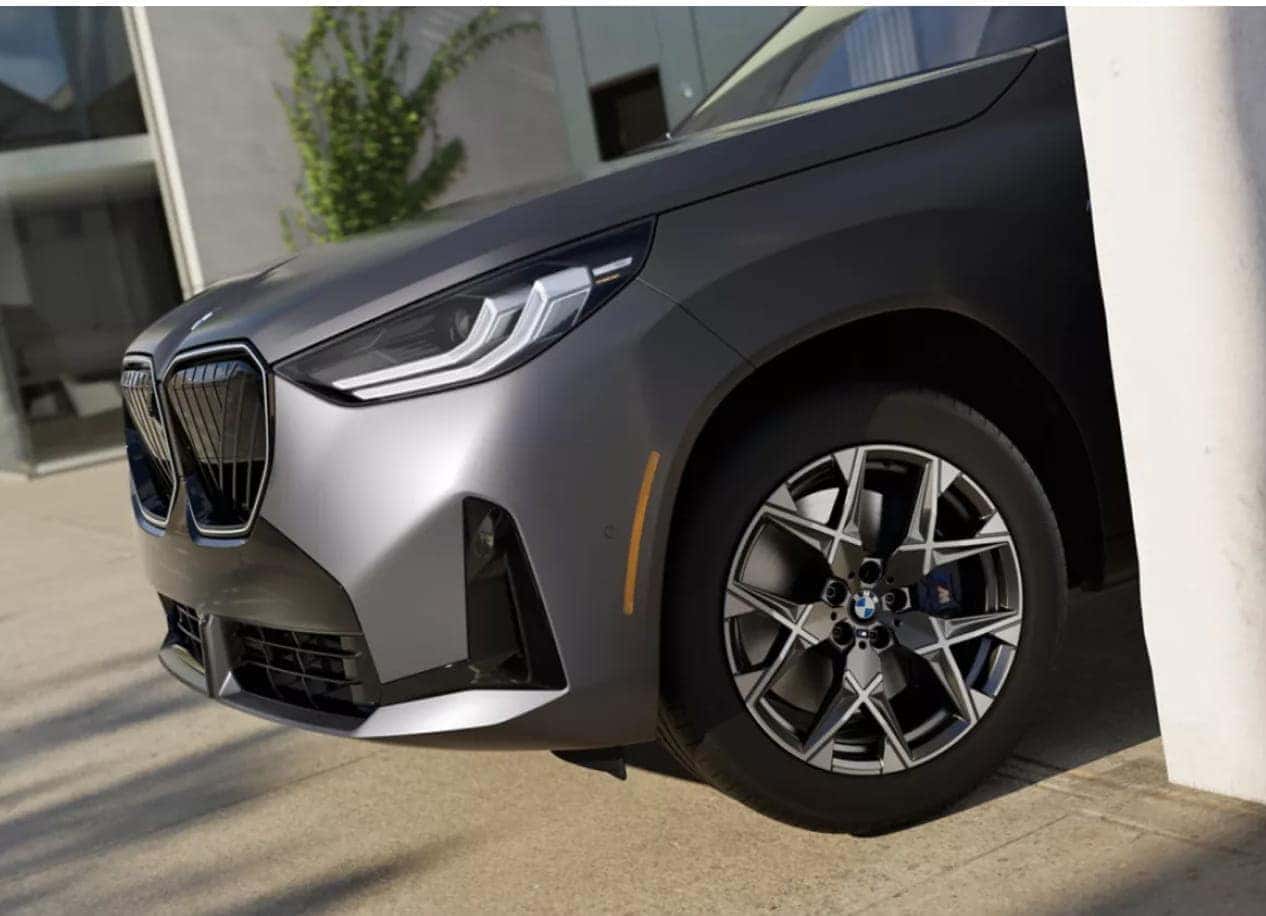
BMW X3: The BMW X3 settles you into comfortable sport seats with four-way lumbar support. Take potholes with ease thanks to five-link rear axle suspension, up to 21-inch wheels, and anti-roll stabilizer bars. The xDrive all-wheel-drive system is adept at finding its footing in slippery conditions, so you can handle rain without issue.
Toyota Highlander: The Highlander has a long wheelbase for cruising, but it lacks the same sporty seat comfort and has a less advanced suspension system. However, drivers do like its optional noise-canceling windows.
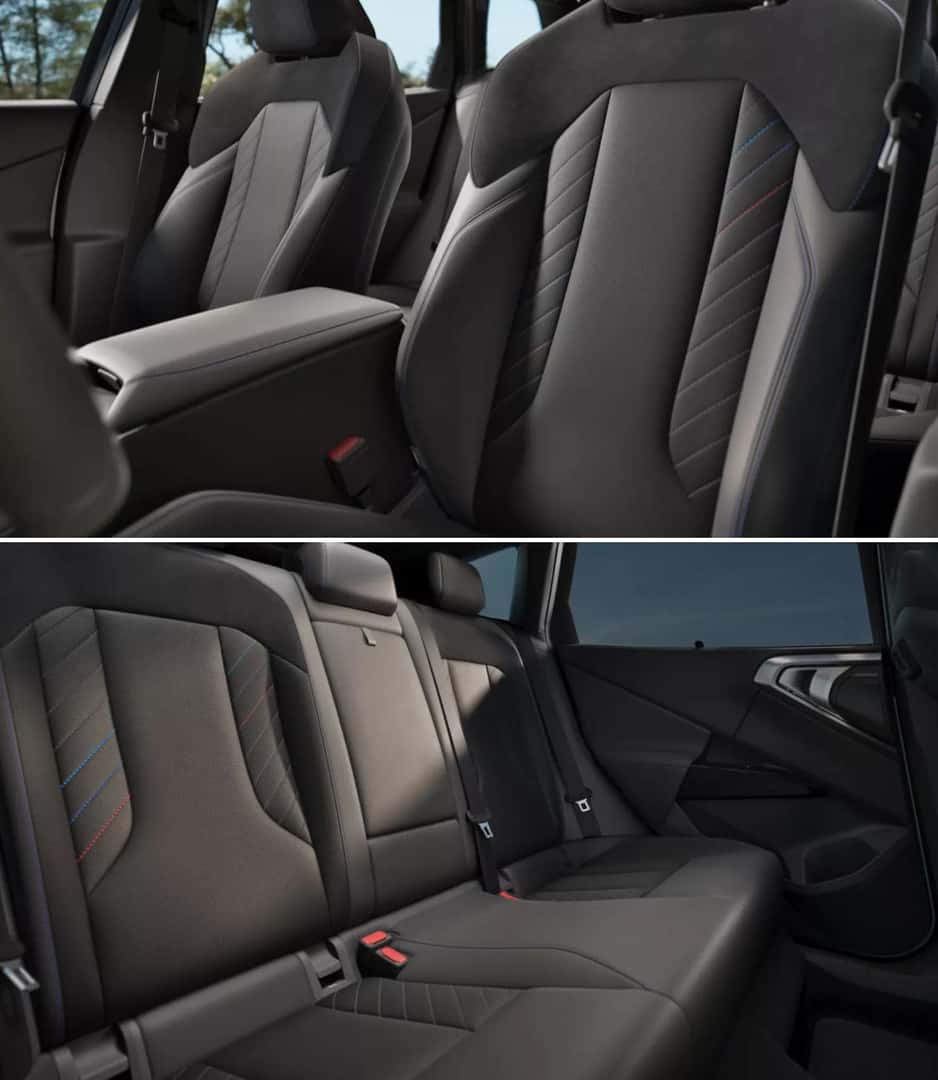
The Highlander is a three-row SUV, so it is larger than the BMW X3 by default. However, the BMW X3 has a few stark advantages for families, such as a larger trunk without needing to fold seats down.
BMW X3: The BMW X3 is a smaller model, so it cruises more easily through city streets and traffic. However, it does have one storage edge: like in our BMW X3 vs. Mercedes-Benz GLC comparison, the BMW X3 shines with its incredible 31.5-cubic-foot trunk. If you don't want to fold seats, the BMW X3 takes an edge here.
Toyota Highlander: Thanks to its three-row seating, the Highlander has a relatively cramped 16-cubic-foot trunk. However, as a three-row model, it can seat more passengers and offers more possible trunk space.
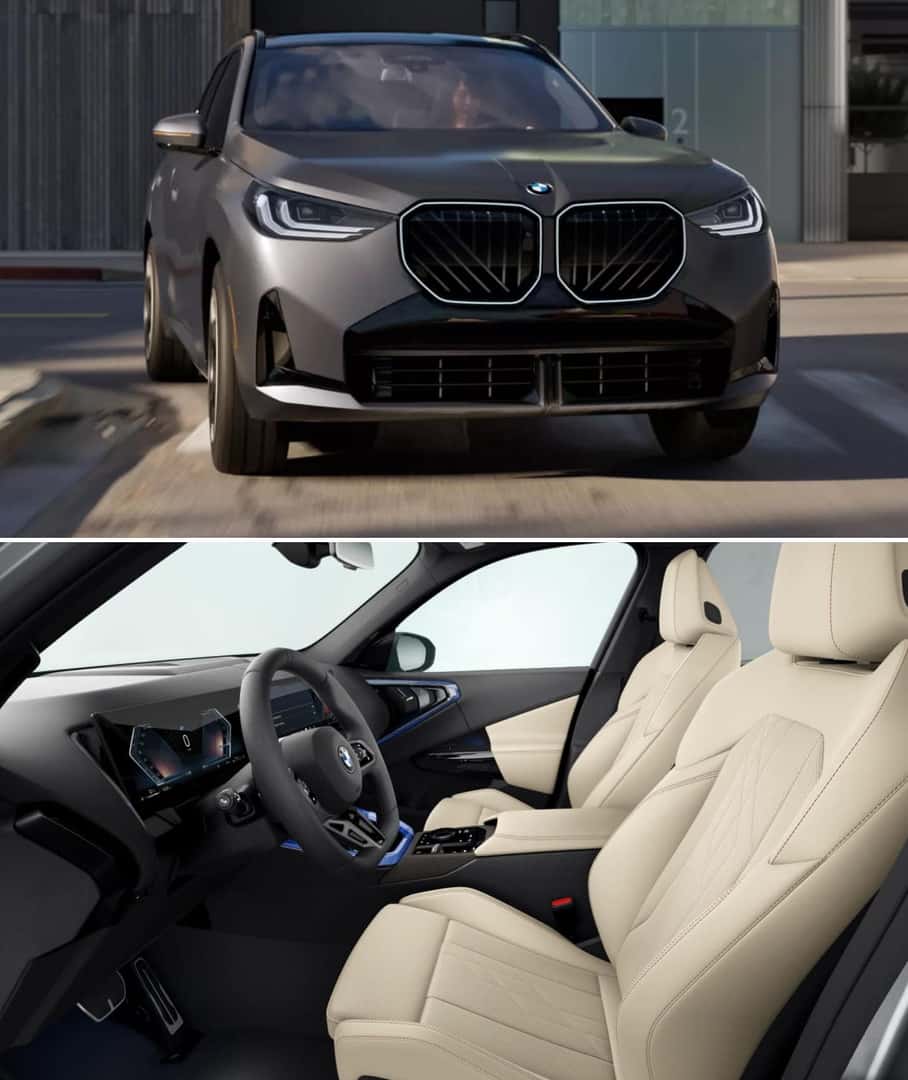
The BMW X3 excels in technology – from the central touchscreen to the available sound speakers, the BMW SUV outpaces what the Toyota competitor can offer.
BMW X3: Your journey into the BMW X3 starts with the central touchscreen, a 14.9-inch BMW Curved Display with an Interaction Bar for easy customization. Standard Veganza upholstery and available leather-trimmed seating can be styled in six distinct ways to match your exterior preferences. Sit back with standard four-way lumbar support, select an optional 15-speaker Harman Kardon® sound system, and let your family relax in chilly weather with front and rear heated outboard seats. The best part? You can select the luxury-grade features you want from an extensive list of add-ons. See our BMW X3 interior guide for a glimpse of how this SUV will look when you visit us, and shop our BMW X3 specials to get incredible features that match your needs.
Toyota Highlander: The Toyota Highlander is generally a simpler vehicle than the BMW X3. It has SofTex and leather seating, but to get genuine leather, you need to move up to a higher, more expensive trim level. The Highlander starts with an 8-inch central display and can be upgraded to a 12.3-inch one. If you want a premium sound system, you'll be stuck with an available 11-speaker system – significantly less than any BMW X3 model.
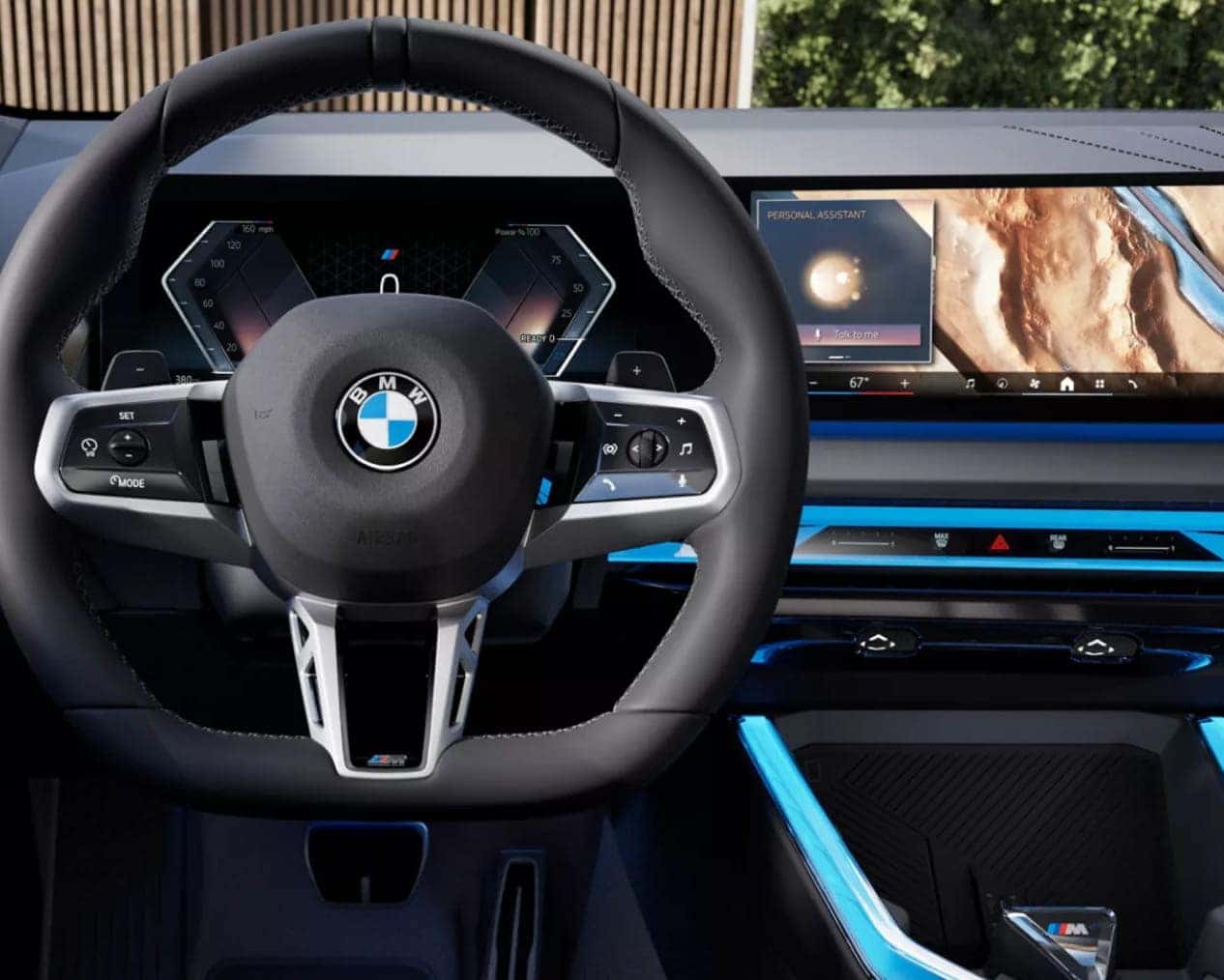
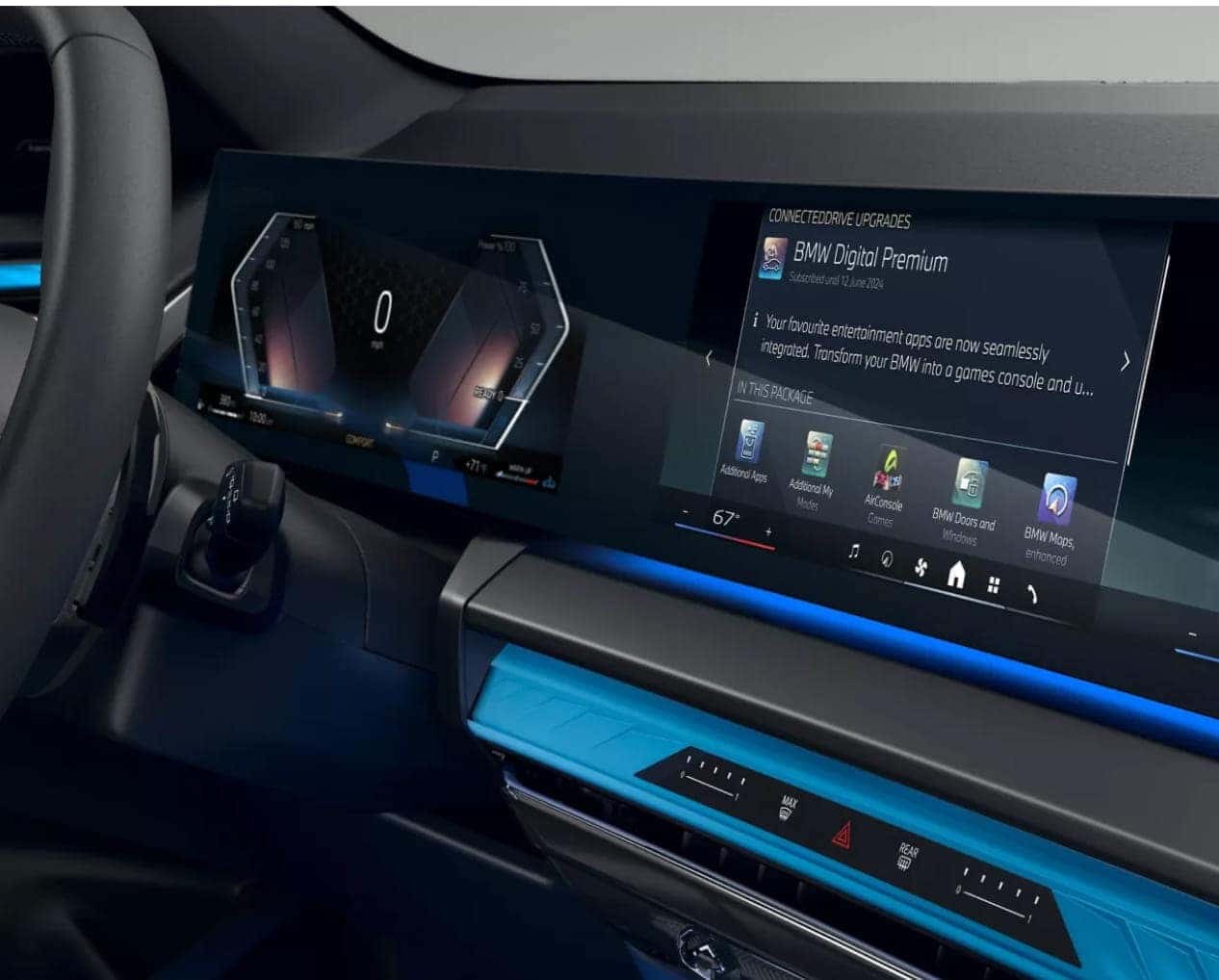
The BMW X3 is well-lauded for its safety features, with the IIHS awarding the BMW SUV a Top Safety Pick+ Award for 2026.5 The Highlander wasn't awarded anything this year, showing how the BMW SUV is better at protecting your family in the case of an incident and guiding you away from an accident to begin with.
BMW X3: The BMW X3 scored great in nearly every crash-mitigation and avoidance category, including pedestrian and vehicle detection.5 BMW Driving Assistant is a major factor in improving your confidence on the road, coming with features like Forward Collision Mitigation, Lane Keeping Assistant, Active Blind Spot Detection, and Speed Limit Assistant. The Active Protection System takes immediate action in the case of an impact to support you and your passengers, mitigating the worst of the damage.
Toyota Highlander: While the Toyota Highlander still has a comprehensive list of safety features from Toyota Safety Sense 2.5+, it was not awarded a Top Safety Pick award from the IIHS.5 It is still a safe SUV, but it is not rated as well, especially in an overlap crash.
Choose the BMW X3 if you want more features, higher-rated safety, and more responsive driving.
Choose the Toyota Highlander if you need to seat seven or eight passengers.
The BMW X3 uses hybrid technology to outdo the Toyota Highlander. With an EPA-estimated 29 MPG (Combined),1 the BMW X3 outpaces the 21 MPG (Combined) of the gas Toyota Highlander.2 The Highlander does have a hybrid variant, but that is much more expensive than the standard model.
The BMW X3 has a longer OEM warranty than the Toyota Highlander, at a four-year/50,000-mile contract9 vs. a three-year/36,000-mile one.9 This extensive limited warranty is perfect for leases or building confidence during early ownership.
1Preliminary EPA-estimated figures are for comparison purposes only. Your actual mileage will vary, depending on speed, driving habits, trip length and driving conditions; actual mileage may be lower.
2Use for comparison purposes only. Your mileage will vary for many reasons, including your vehicle’s condition and how/where you drive. See www.fueleconomy.gov.
3When properly equipped.
4Whichever time/mileage designation comes first. Warranties listed on this web page shall not be solely relied upon. Warranties may be subject to specific terms, restrictions, exclusions, and fees. Additional warranty information may be obtained by visiting the official website of the warranty provider. Contact our dealership for complete details.
5Reference to this third-party claim is solely for informational purposes and not to be relied upon. For details regarding this award, visit https://www.iihs.org